Paediatric Orthodontist

Kids Orthodontist Sydney

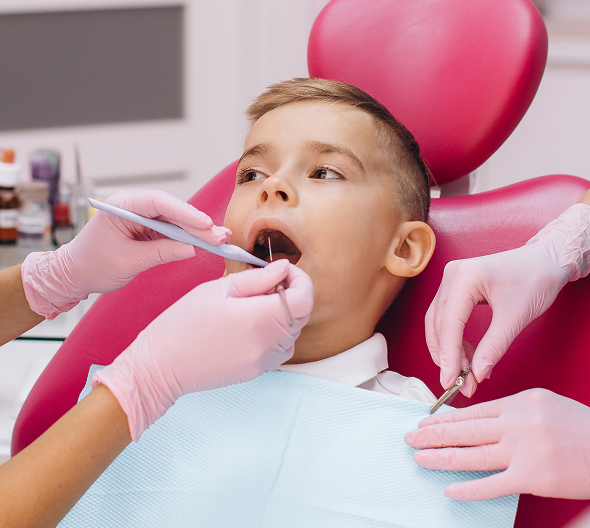
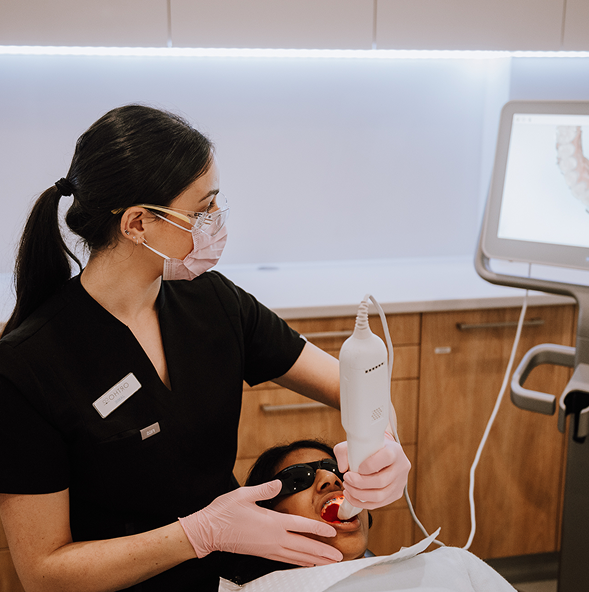
Our compassionate Parramatta Orthodontist, Canterbury Orthodontist and Hurstville Orthodontist team is dedicated to providing a supportive environment every step of your child’s orthodontic journey.

Trust us to guide you with care and expertise, working together to achieve a healthy smile for your child.

When is the best time for my kid to see an orthodontist?

The Australian Society of Orthodontists advises scheduling the first orthodontic consultation for children around the ages of 7 to 8 years. 

This proactive approach allows our experienced hurstville orthodontists to detect and address any potential issues at an early stage, preventing more significant problems in the future. 

Starting orthodontic treatment early can help guide your child’s teeth and jaw development, supporting healthy alignment as they grow and helping set the foundation for good oral health

Little signs could mean bigger issues

During your child’s growth phase, early orthodontic treatment can help guide teeth and jaw development. Here are some signs we look for which may suggest the need for orthodontic intervention:

Early orthodontic treatment can have a host of benefits, especially if the problem can be corrected before it becomes more serious. Children’s orthodontics takes advantage of a child’s natural growth phase—the jaws, facial bones and erupting teeth are more malleable, meaning corrections can be achieved more easily and sometimes with less effort than later on.

Plus, when teeth and bite are better aligned from an early age, cleaning becomes easier, there’s less risk of decay or gum problems, less chance of trauma to protruding teeth, and better chewing and speech function.

Orthodontic Options for Children

These appliances are most effective while a child is still growing and their jaws are developing

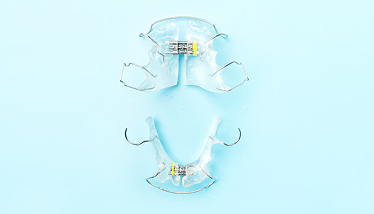
Palatal Expanders

Used to gently widen the upper jaw in growing children to create space and correct crossbites.
  • Creates space for erupting teeth
  • Corrects crossbites early
  • Supports healthy jaw development
  • Simple and effective when timed correctly
  • Fixed appliance
  • Temporary speech changes
  • Requires careful cleaning

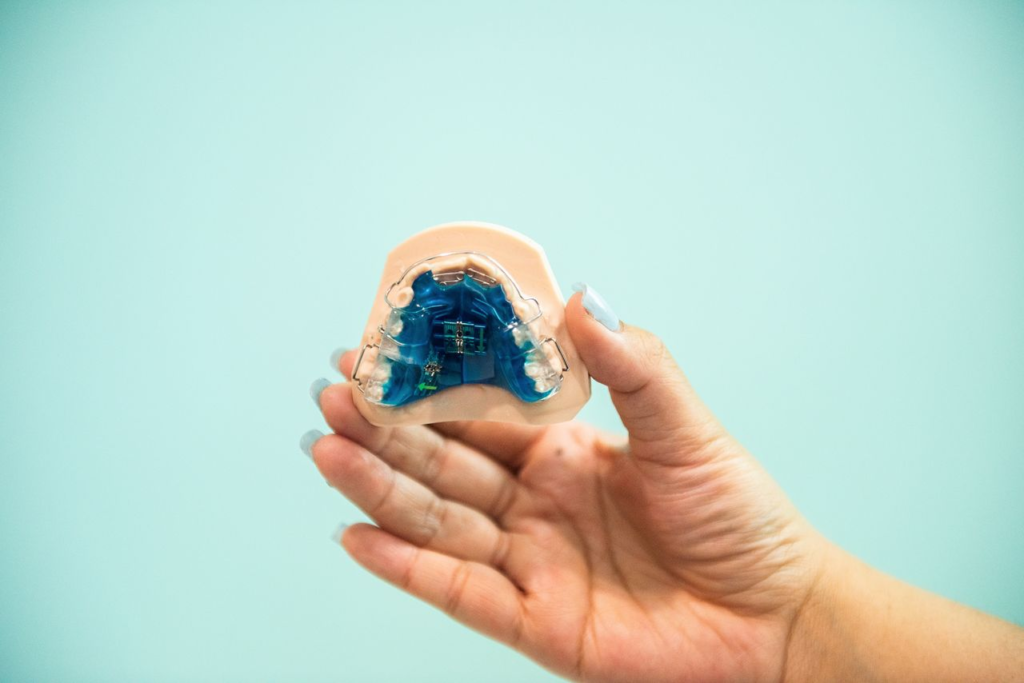
Twin Block

Twin blocks are removable functional 2 piece plates designed to encourage forward growth of the lower jaw in growing patients.
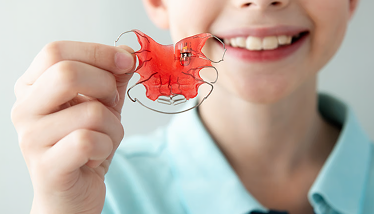
  • Well researched and widely used
  • Can significantly improve jaw relationships
  • Removable for eating and cleaning
  • Success depends heavily on wear time
  • Bulky initially
  • Requires motivation and parental support

Biobloc

A removable plate focused on guiding jaw growth, facial development, and airway support in selected children. Twin Block and Biobloc appliances are removable devices aimed at expanding the jaw in a slow gentle way and may also help with guiding jaw posture, airway development, and facial growth in selected children with bite discrepancies.
  • Focus on facial growth and airway health
  • Removable and adjustable
  • Supports early intervention philosophy
  • Easier to brush teeth (as it is removable)
  • Gentler approach
  • High compliance required
  • Can get misplaced
  • Best suited to selected growth cases

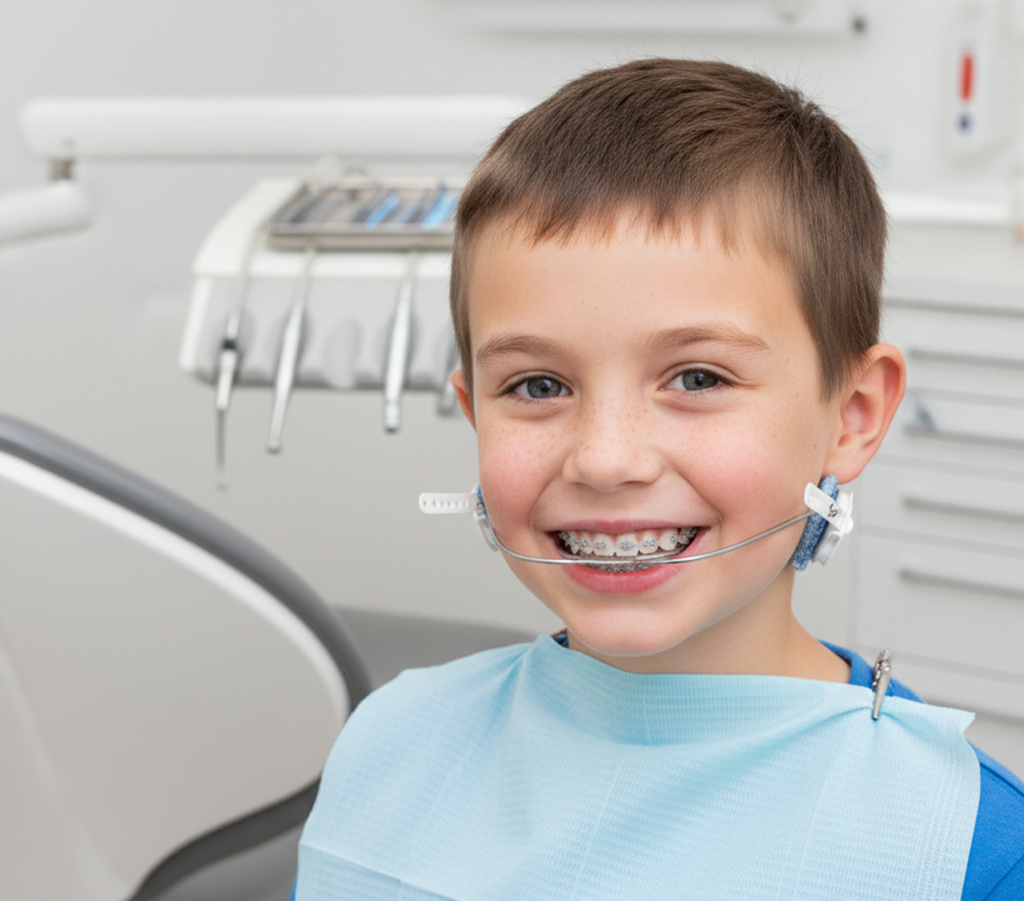
Reverse Pull Headgear

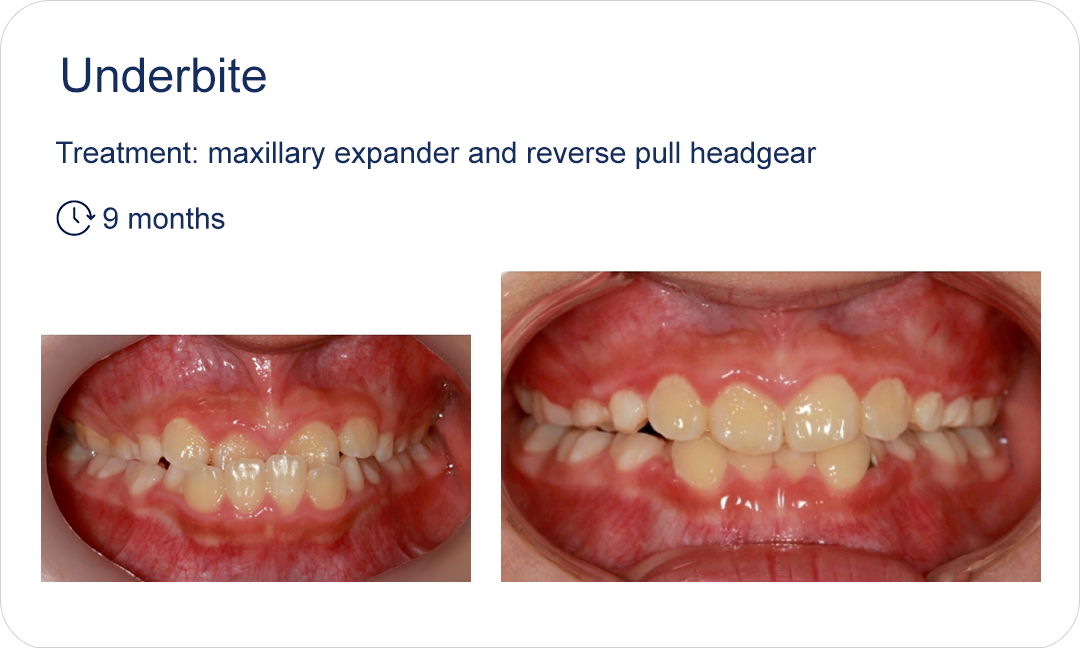
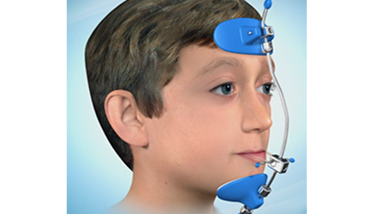
Used in young patients to guide upper jaw growth forward in certain underbite (Class III) patterns.
  • Can modify jaw growth at the right age
  • May reduce the need for jaw surgery later
  • Most effective when started early
  • Requires consistent wear outside school hours (15-18 hours)
  • Visible appliance when worn
  • Timing is critical for success

BAMP

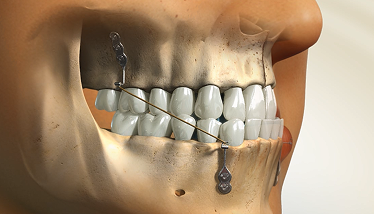
BAMP is an advanced orthodontic technique used in growing children and adolescents to guide jaw growth using small bone anchors rather than external headgear. It is most commonly used for Class III (underbite) correction and selected complex bite problems during growth
  • Highly effective for jaw correction during growth
  • No visible external headgear
  • Works continuously once in place
  • Can reduce or avoid the need for future jaw surgery
  • More predictable skeletal effects than removable appliances
  • Requires placement of small temporary bone anchors
  • Minor surgical procedure under local or general anaesthetic
  • Not suitable for all patients or growth stages
  • Requires excellent oral hygiene and follow-up care

Orthodontic Options for Adolescents

Growth + teeth alignment — commonly used during the teenage years when some growth remains.

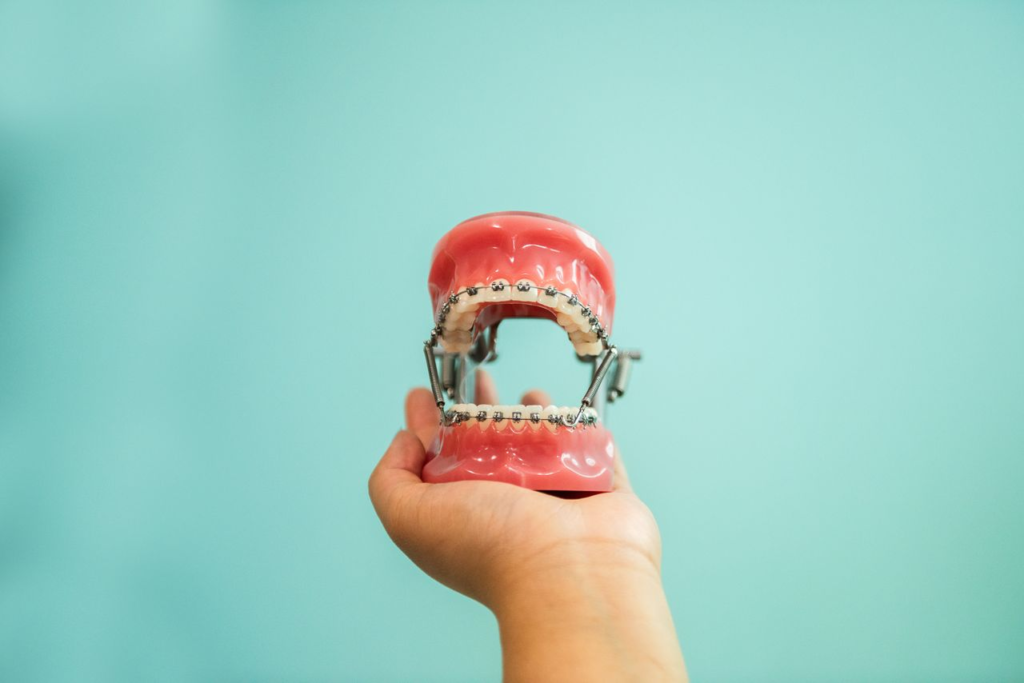
Herbst Appliance

A fixed jaw-correcting appliance that works continuously to improve jaw alignment during growth. This can be combined with braces or clear aligners after functional appliance therapy to align the teeth.
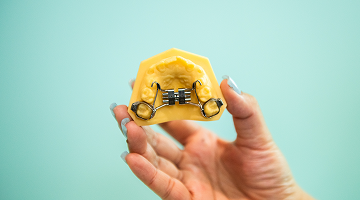
Palatal Expansion (Teen Phase)

Expansion may still be possible in early adolescents, sometimes combined with braces or aligners for comprehensive treatment.
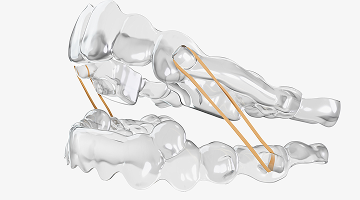
BiteSync Clear Aligners

Clear aligners combined with bite correction mechanics, suitable for motivated teens who want a discreet treatment option.
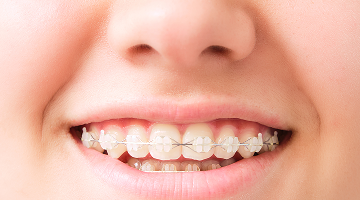
LightForce Braces

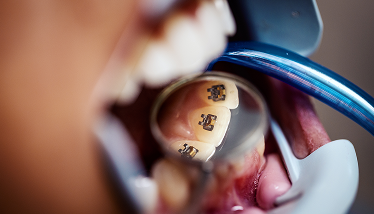
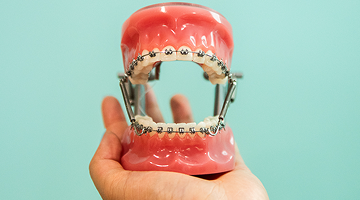
Highly customised fixed braces designed with 3D printing technology for efficient, precise tooth movement in complex cases.
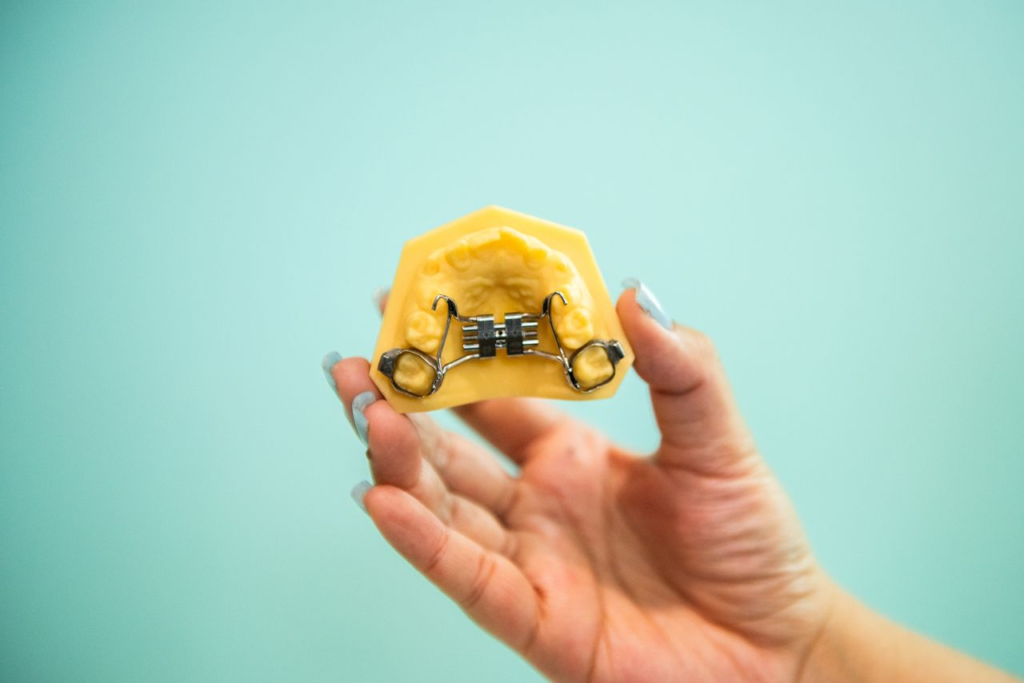
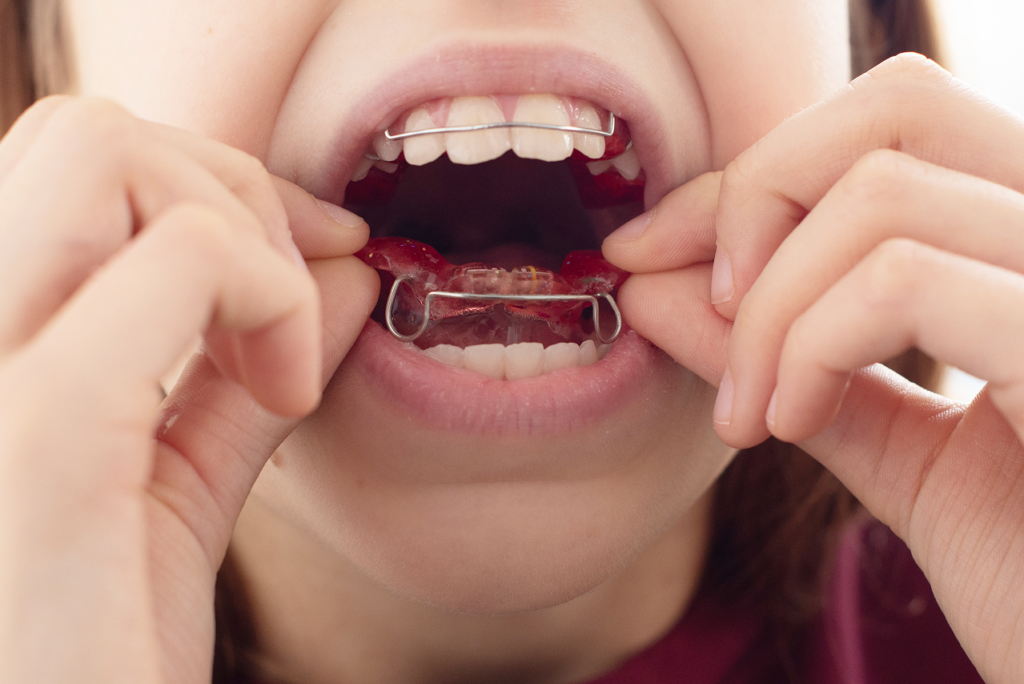
Orthodontic appliances for young smiles

After a thorough consultation with one of our specialist orthodontists, the following appliances may be recommended:

Palatal Expander Plates

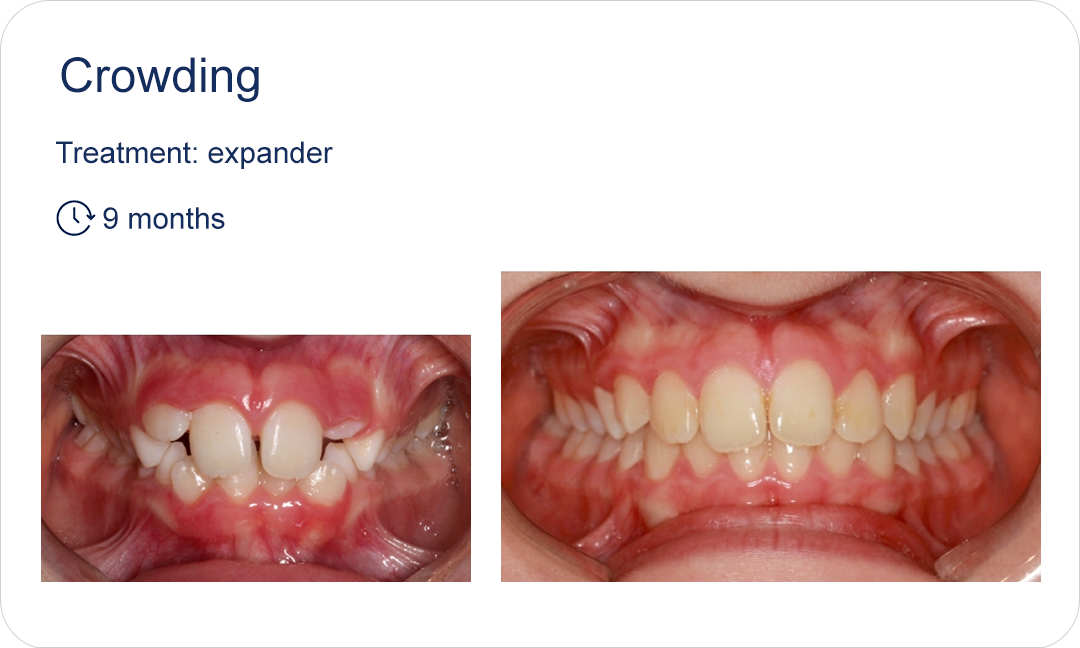
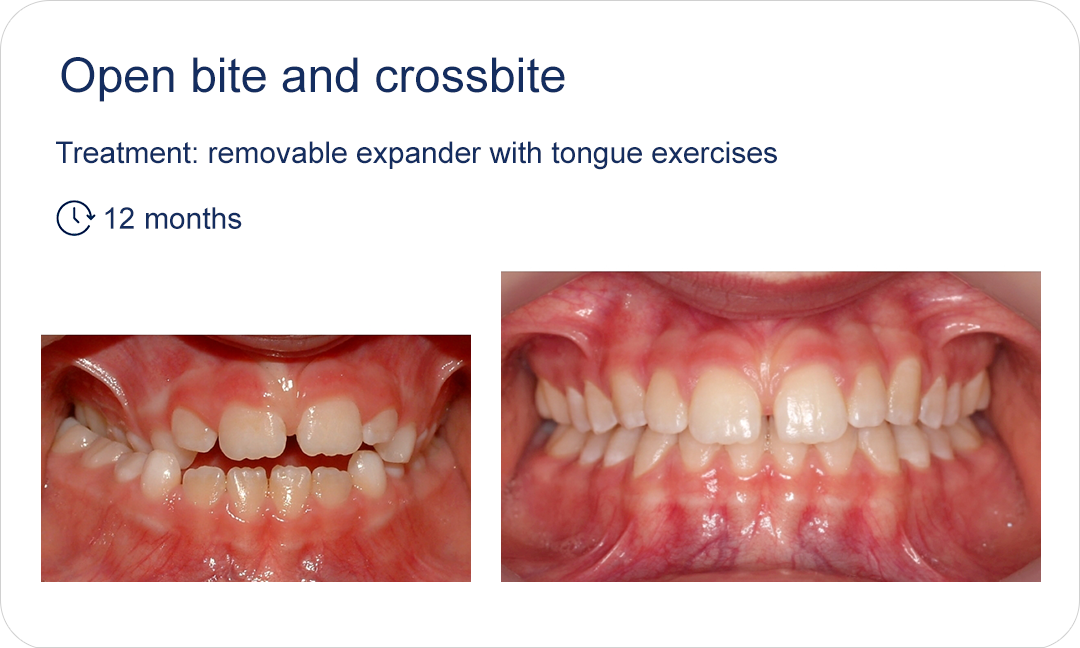
Palatal expanders widen the upper jaw, creating more space for crowded teeth. They can correct crossbites, improve breathing, airway function, and promote proper facial development.

Space maintainers hold space in the mouth for permanent teeth that have not erupted yet. They prevent adjacent teeth from shifting into the empty space, helping proper alignment of permanent teeth.

Functional appliances (e.g. Twin Block, Herbst Appliance) correct jaw discrepancies and promote proper jaw growth. They can improve facial aesthetics, correct bite issues, and improve overall function, including speech and chewing.

A Headgear forces teeth and jaws to correct severe bite problems and jaw discrepancies. It can guide jaw growth, improve facial balance, and correct overbites or underbites.

The Forsus appliance is a spring-loaded rod that connects the upper and lower jaws, correcting bite problems such as overbites. It provides continuous gentle forces for gradual correction

Child orthodontics vs Teenager orthodontics

What’s the difference?

Child orthodontics (phase 1) primarily centres around your child’s jaw bones, while teenager orthodontics (phase 2) aims to straighten their adult teeth.

Child orthodontics directs attention to the jaws since they serve as the foundation for future adult teeth and play a crucial role in defining your child’s facial shape.

By initiating treatment before their teenage years, we can help the possibility of your child’s jaws having sufficient width to accommodate their future adult teeth. This can create space, reducing crowding of the teeth as they grow. Additionally, we strive to achieve a balanced facial profile for your child by positioning the jaws optimally—neither too far forward nor too far back. 

Our goal is to provide your child with a facial balance that suits them as an individual.

Cost considerations for children’s orthodontics

When you’re planning orthodontic or early dental care for your child, it’s normal to be concerned about your budget.

Early interceptive orthodontic treatment in Australia begins around AUD $2,000 – $4,500, which can be a big expense for many families. For a detailed breakdown, check out our guide to kids braces cost to help you understand what to expect.

That’s why we offer 0% interest-free finance plans to help families manage the cost of treatment.

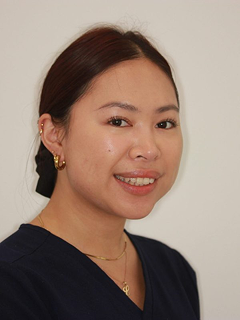
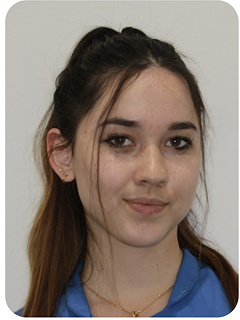
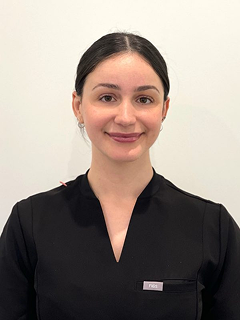
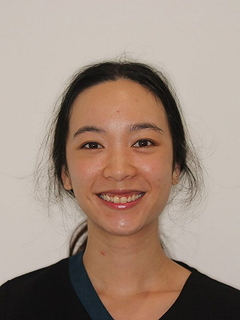
Our Team

Shadi- Dental Hygienist 

Bachelor of Oral Health (Distinction) and BSc (USyd)
Abi

Orthodontic Nurse

Leya

Orthodontic Nurse

Kristina

Orthodontic Nurse

Jacinta

Receptionist

Jamie

Treatment Coordinator

Michelle

Receptionist & Orthodontic Nurse

Angel

Admin Support

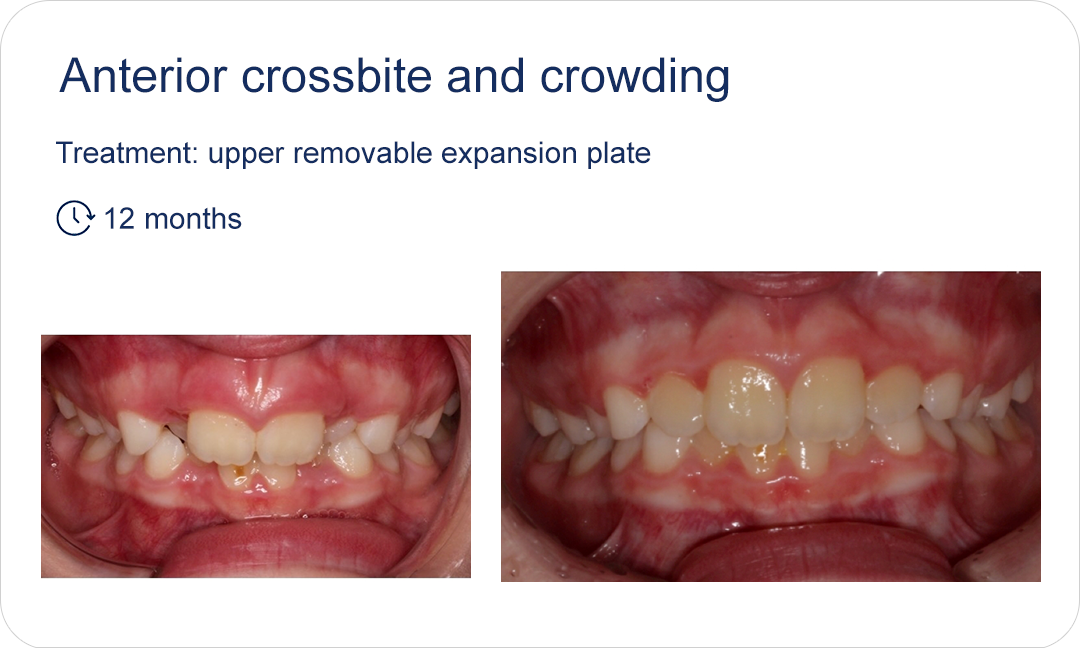
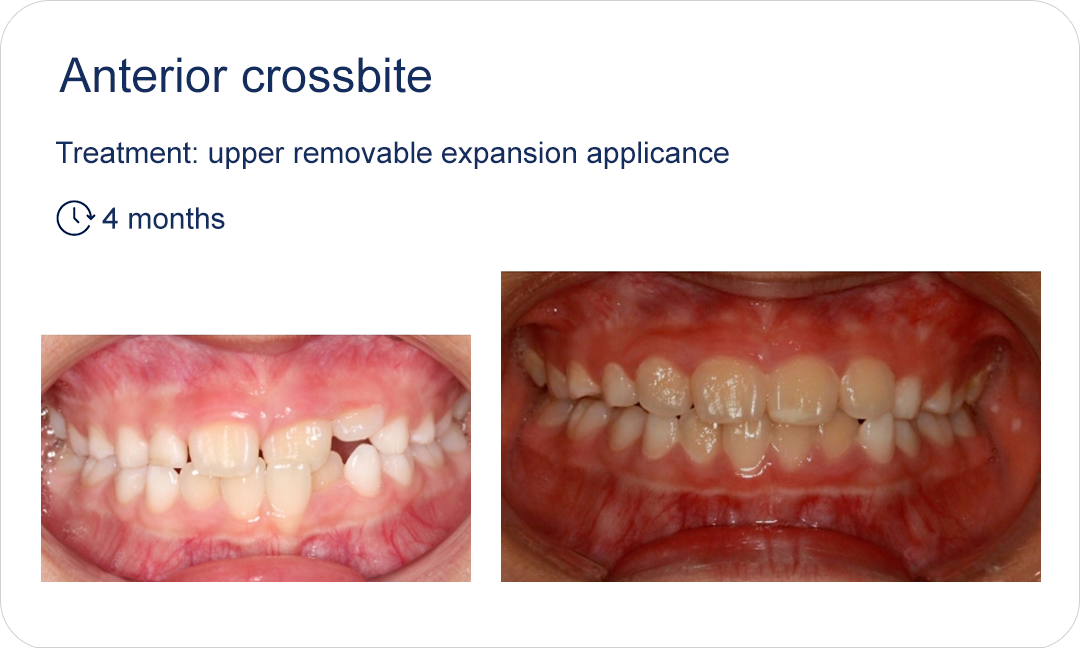
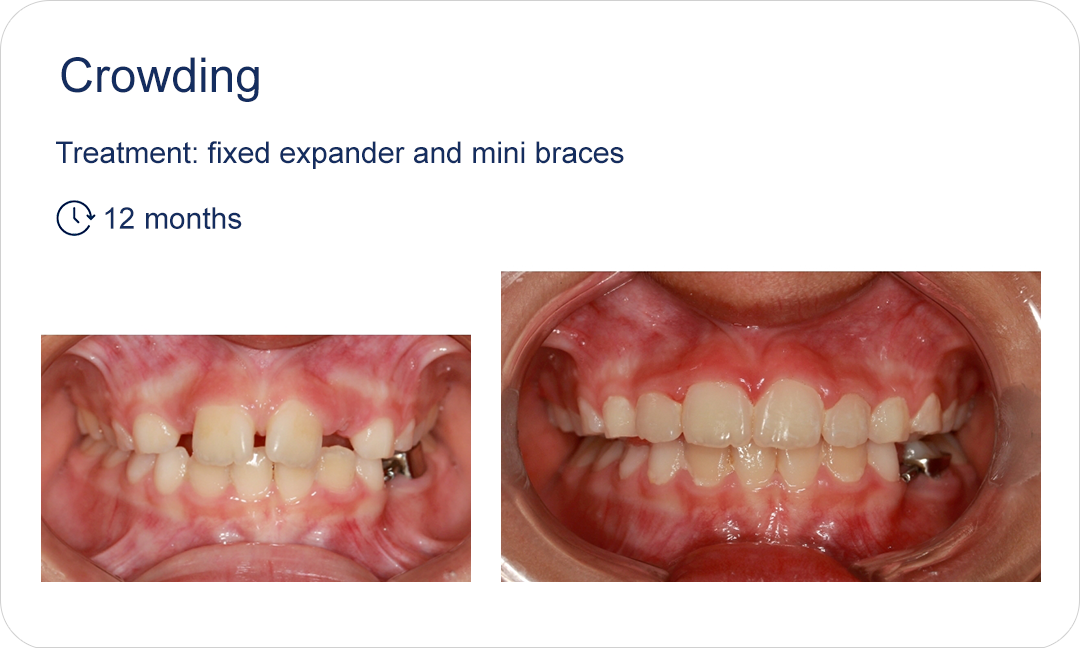
Our Results

Don’t just take our word for it – see our before and after orthodontic transformations

*These photos are of actual Ortho Co patients, shown with consent. Individual clinical conditions influence treatment outcomes, and results will differ between patients

Our specialist orthodontist memberships and partners

Contact Us

Contact Us
This site is protected by reCAPTCHA and the Google Privacy Policy and Terms of Service apply.

Got Any Questions?

What age should a child see an orthodontist?

The Australian Society of Orthodontists recommends that a child have an orthodontic check‑up around age 7 to 10. That check‑up doesn’t always mean immediate treatment—but it can mean spotting potential issues early while baby and permanent teeth are mixed and the jaws are still developing.

Early orthodontic treatment means intervening while a child still has some baby teeth and before full adult dentition. It might mean simple appliances (like expanders, partial braces or functional devices) to correct bite issues, guide jaw growth, manage habits (like thumb‑sucking) or create space so that later treatment is easier.

Not necessarily —but sometimes yes. The goal of early treatment is to reduce complexity and severity of later work, not automatically to skip it altogether. Some studies show that early intervention can prevent more invasive procedures later. That said, evidence also suggests that early treatment doesn’t guarantee no further treatment will be needed—each child’s growth, response to treatment and dental development differ. Your orthodontist will advise whether early treatment means you’ll likely proceed to full braces, or simply require monitoring and minimal intervention.

Yes, your child’s general dentist plays a key role. They can monitor tooth eruption, jaw growth and flag signs of misalignment or bite issues (like cross‑bite, under‑bite, crowded teeth or early loss of baby teeth). Then, if needed, they can refer you to a specialist orthodontist for a full assessment.

If your child isn’t ready (developmentally or because no major issues are present), that’s perfectly fine. An early check‑up will tell you whether active treatment is needed now—or whether it’s safe to wait while watching growth and development. During the wait, maintaining good oral hygiene, dental check‑ups, and watching for signs (like shifting teeth, changes in bite, thumb‑sucking beyond age 5–6) will help your orthodontist proceed at the optimal time.

If your child isn’t ready for treatment we will provide free follow up reviews to monitor their dental development and jaw growth until their adult teeth are in place, we provide this as a complimentary service to our patients at Ortho Co.